Summary: Temporary outdoor flooring helps protect grass, soil, patios, and other surfaces from damage caused by heavy traffic, equipment, and weather. This guide explains the best temporary outdoor flooring options for events, patios, and job sites, along with practical tips for choosing the right system based on surface type, load requirements, and project duration.
Outdoor floorings and surfaces look stable, but they are still vulnerable to damage. Grass turns to mud after one rainfall. Soil runs under equipment weight. Concrete stains from spills. Whether you’re planning an event, upgrading a patio, or managing an active construction site, surface damage and safety risks can escalate quickly.However, the right protection systems can significantly reduce outdoor surface damage.
Investing in temporary outdoor flooring systems can significantly help protect outdoor surfaces for events, patios, and job sites.
In this blog, we will break down the best options available, how to choose the right system, and when heavier-duty solutions become essential. If you’re trying to prevent damage, reduce liability, and create stable outdoor surfaces, this will help you make a confident decision.
What Is Temporary Outdoor Flooring?
Temporary outdoor flooring refers to portable surface systems designed to create stable, protective walkways or work zones over grass, soil, sand, gravel, or hard surfaces.
Unlike permanent installations, these systems are:
- Removable after use
- Designed for weather exposure
- Engineered to distribute weight
- Built to reduce surface damage
- Suitable for events, patios, and construction zones
In many projects, they function as both a walking surface and removable floor protection, shielding the ground beneath from wear, moisture, and compaction.
Why Outdoor Surfaces Fail Without Protection
Unprotected outdoor areas are vulnerable to predictable risks. These include:
1. Ground Compaction and Rutting: Heavy foot traffic, staging equipment, or vehicles compress soil and turf. This leads to deep ruts, uneven surfaces, and costly landscaping repairs.
2. Mud Formation: Rain quickly transforms exposed soil into unstable mud. This increases slip hazards and contaminates indoor areas as dirt is tracked inside.
3. Surface Staining: Food, beverages, oils, and chemicals can stain patios, decks, and concrete surfaces permanently.
4. Trip Hazards: Uneven ground, hidden irrigation lines, and shifting gravel create instability, especially at events where safety liability is high.
5. Turf Damage: Grass deprived of airflow and light can yellow or die, particularly under non-breathable coverings.
Temporary flooring reduces these risks by creating a stable barrier between activity and the underlying surface.
The Best Temporary Outdoor Flooring Options
Not all solutions perform equally. Your choice should match the environment, load, and duration.
1. Interlocking Modular Flooring Tiles
These snap-together systems are commonly used for outdoor events and temporary gathering spaces. They create a level surface over grass or uneven ground and often include built-in drainage.
Best for:
- Weddings and receptions
- Corporate event
- Tent floorin
- Backyard gatherings
Why they work:
- Quick installation and removal
- Good stability for foot traffic
- Elevated design improves drainage
- Clean, professional appearance
Limitations:
- Not suitable for heavy equipment
- Moderate load capacity only
2. Heavy-Duty Ground Protection Mats
When weight and durability matter, thicker load-bearing systems are essential. These are often used as job site temporary flooring to protect soil and turf from machinery and repeated traffic.
Best for:
- Construction sites
- Landscaping projects
- Equipment access routes
- Material storage areas
Why they work:
- High load tolerance
- Distribute weight evenly
- Reduce rutting and soil compaction
- Reusable across multiple projects
Limitations:
- Heavier to transport
- More industrial appearance
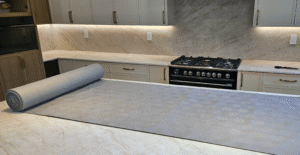
3. Roll-Out Flooring Systems
These systems are designed for rapid deployment across large outdoor areas. They provide quick coverage and are practical for short-to-medium-term use.
Best for:
- Festivals
- Large event spaces
- Temporary patios
Why they work:
- Fast setup
- Smooth walking surface
- Flexible sizing options
Limitations:
- Limited heavy-load capacity
- Require proper securing at the edges
4. Portable Temporary Floor Panels
For projects needing stronger structural support without full industrial mats, portable temporary floor panels offer a balanced solution.
Best for:
- Medium-duty outdoor applications
- Multi-day events
- Residential patio extensions
- Semi-permanent outdoor setups
Why they work:
- Better load distribution than thin coverings
- Stable under moderate weight
- Manageable for transport and storage
Limitations:
- Must match panel strength to expected load
- Not all panels are weather-rated
How to Choose the Right Outdoor Flooring System
Selecting the right outdoor flooring system isn’t about choosing the cheapest option. It’s about matching performance to risk. The wrong material can fail under pressure, trap moisture, or cause surface damage. The right system protects your ground, improves safety, and reduces long-term costs.
1. Assess the Ground Surface: Every surface behaves differently under load and weather exposure. Start by identifying what you’re protecting.
- Grass requires breathable or elevated systems to allow airflow and prevent turf suffocation.
- Soil or sand needs strong load-distribution panels to prevent sinking and rutting.
- Gravel may require stabilization layers to reduce shifting and uneven footing.
- Concrete benefits from protective barriers that prevent stains, abrasion, and impact damage.
2. Evaluate Traffic and Load Requirements
Next, determine how much weight the flooring must support.
Ask yourself:
- Is it foot traffic only?
- Will there be tables, staging, or furniture?
- Are delivery vehicles accessing the area?
- Will heavy machinery or equipment operate on it?
Light-duty systems may look sufficient, but often fail under concentrated weight. In construction or landscaping environments, heavier panels or mat-based systems are essential. Choosing inadequate materials can result in surface damage and safety hazards.
3. Consider Weather Exposure: Outdoor flooring must perform in unpredictable conditions. Weather resilience is not optional.
Your system should handle:
- Rain and proper drainage
- UV exposure without degrading
- Heat expansion without warping
- Wind uplift without shifting
Slip-resistant textures are especially important during wet conditions. Smooth, untreated surfaces can become hazardous quickly after rainfall.
4. Factor in Duration of Use: Project length plays a major role in material selection.
- Short-term events may require lightweight, quick-install solutions.
- Long-term projects demand durable systems designed for repeated use and consistent performance.
Temporary Outdoor Flooring for Events?
Outdoor events require flooring solutions that balance both safety and visual presentation. Events such as weddings, corporate functions, festivals, and tented receptions often take place on grass, soil, or uneven outdoor surfaces that can become unstable under heavy foot traffic. Temporary outdoor flooring helps create a stable walking surface, reduce slip hazards, and protect lawns and landscaped areas from damage caused by crowds, furniture, and equipment. In addition to improving safety, these flooring systems also help maintain a clean and professional appearance for guests and event organizers.
Elevated tile systems with built-in drainage are often ideal for installations over grass because they allow airflow and prevent turf damage. For larger open spaces or temporary event venues, roll-out flooring panels can provide quick coverage while maintaining a smooth and stable surface. Many event venues now require some form of temporary surface protection to prevent costly lawn restoration or landscaping repairs after the event.
What is Temporary Patio Flooring for Homes?
Homeowners increasingly use temporary systems to:
- Extend the outdoor entertaining space
- Create seasonal patios
- Protect new decks during renovations
- Cover uneven ground for gatherings
Unlike permanent decking, temporary solutions offer flexibility without long-term commitment.
For patios over grass, choose breathable designs to prevent turf suffocation. For hard surfaces, opt for systems that provide protective buffering against spills and abrasion.
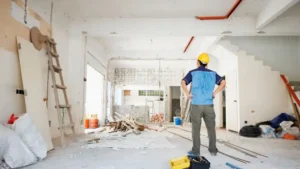
Job Sites: When Heavy-Duty Flooring Becomes Essential
In construction and landscaping projects, outdoor flooring isn’t optional; it’s a preventive risk management measure.
Use cases include:
- Equipment staging zones
- Material storage areas
- Temporary walkways
- Access roads
- Entry protection into finished buildings
Thin coverings rarely withstand repeated tool drops, pallet movement, or vehicle access.
In these environments, job site temporary flooring systems provide:
- Impact resistance
- Weight distribution
- Surface stability
- Reusability across multiple projects
Failing to protect surfaces can result in turf replacement, soil remediation, or repair delays.
What Makes a High-Quality Outdoor Surface Protection System?
Good temporary outdoor flooring should survive the project, not deteriorate midway.
A high-quality outdoor surface protection system should provide:
- Load-bearing strength
- Slip-resistant texture
- Drainage capability
- UV and moisture resistance
- Easy installation and removal
- Long-term durability
Final Thoughts
Outdoor surfaces are more vulnerable than they appear. Traffic, weather, equipment, and moisture quickly cause damage that is expensive to repair.
The right temporary outdoor flooring solution prevents ground damage, improves safety, and maintains a professional appearance, whether you’re hosting an event, creating a patio, or managing an active construction site. Instead of reacting to damage later, plan protection early. Choose a system that matches your surface type, load demands, and duration.
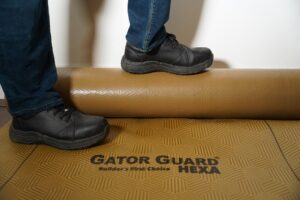
Gator Guard offers durable, high-performance temporary outdoor flooring solutions designed to withstand heavy traffic, weather exposure, and demanding job site conditions. Engineered for strength and reliability, Gator Guard systems provide stable surface protection for events, patios, and construction environments without compromising safety or durability.
Frequently Asked Questions
1. What is the best temporary outdoor flooring for grass?
Breathable or elevated interlocking panels are best for grass. They allow airflow and drainage while distributing weight evenly to reduce turf damage.
2. Does temporary flooring damage lawns?
Improper or non-breathable materials can damage grass. Breathable, elevated systems reduce turf stress and compaction.
3. How much weight can job site temporary flooring support?
Heavy-duty ground protection mats can support vehicles and machinery, while lighter systems are suitable only for pedestrian traffic. Always match load capacity to project requirements.
4. Is outdoor temporary flooring reusable?
Most heavy-duty systems are designed for repeated use, making them cost-effective over multiple events or projects.
5. Can temporary outdoor flooring handle rain?
Yes. Quality systems include drainage features and slip-resistant surfaces to maintain stability during wet conditions.