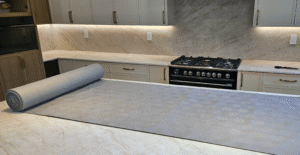
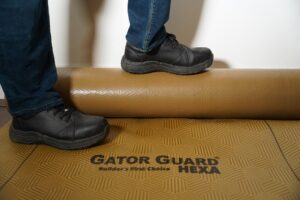
Summary: Construction sites expose finished floors to scratches, dents, stains, moisture, and heavy traffic. This guide explains the most common types of floor damage, why they occur, and the contractor best practices that help prevent costly repairs. Learn how proper construction floor protection can safeguard surfaces and keep projects on schedule.
Floors endure significant stress during construction projects. Dents, scratches, moving equipment, heavy boots, dropped tools, chemicals, moisture, and dust are some common floor enemies. Luckily, most of these flooring problems are predictable and preventable. While construction sites are tough on floors, most damage is preventable.
Whether you’re a contractor, project manager, facility operator, or property owner, understanding why floors fail and how to protect them can save serious time and money.
In this blog, we will break down the most common types of floor damage, what actually causes them, and the contractor best practices that prevent rework, delays, and costly replacements.
Why Floor Damage Happens So Often on Construction Sites
Floor damage on construction sites is inevitable in most cases. Reason? Floors are frequently installed before projects are complete. That means finished surfaces must survive:
- Continuous foot traffic
- Material handling and equipment movement
- Wet trades and cleaning cycles
- Dust, grit, and debris
- Accidental impacts
Without proper construction floor protection, damage is not a matter of if, but when. And, to make things worse, repairing floors near project completion is far more expensive than protecting them early.
Common Types of Floor Damage on Construction Sites
Construction environments create very specific risks for finished floors. Traffic, tools, moisture, and site practices all influence how and why surfaces get damaged. While the materials used to construct floors may vary, their damage and failure patterns are remarkably consistent.
Let’s see some common types of floor damage on construction sites and how to avoid them.
1. Scratches and Surface Abrasion
Scratching is easily the most widespread flooring problem on active building sites. Unlike dramatic failures, scratches accumulate gradually and often go unnoticed until final cleanup. Scratches can take up a lot of floor area, making repair difficult and expensive.
Fine dust and grit are major contributors. On construction sites, microscopic particles behave like abrasives. When trapped under footwear, carts, or coverings, they slowly grind against the floor finish.
Common causes of scratches and surface abrasion
- Dirt and debris are tracked underfoot
- Dragged ladders, tools, and materials
- Inadequate or shifting protective floor covering
- Poor housekeeping and dust control
- Protection materials that contain staples or rough backing
Even materials intended for protection can create damage. Regular cardboard, newspapers, fabric sheets, or loose cloth coverings often shift, wrinkle, or contain abrasive elements that scratch surfaces instead of protecting them.
How to avoid scratches on the floor?
- Sweep and remove grit frequently (dust is abrasive)
- Avoid dragging tools, equipment, or furniture
- Protect high-traffic pathways first
- Use non-abrasive, purpose-built protective floor covering
- Ensure coverings remain stable and properly secured
- Maintain ventilation to reduce airborne contaminants
2. Impact Damage, Chips, and Dents
Construction activity naturally involves heavy tools, materials, and equipment. Accidental drops are inevitable. Without adequate cushioning, even a single impact can leave visible damage.
Hard surfaces such as tile, natural stone, vinyl planks, laminates, and hardwood are particularly vulnerable. The most common culprits are everyday site tools like hammers, drills, screwdrivers, and power tools.
Causes behind damage, chips, and dents on floors include:
- Dropped hand or power tools
- Falling materials or hardware
- Rolling carts or machinery
- Concentrated loads from equipment
- Insufficient impact-resistant protection
Unlike minor scratches, impact damage is often permanent. Chips, cracks, and dents frequently require refinishing, tile replacement, or stone restoration.
How to avoid impact damage
- Install cushioning layers or temporary construction flooring
- Use impact-resistant matting in active work zones
- Protect staging and tool-use areas
- Reinforce careful material handling practices
- Avoid thin or tear-prone coverings
3. Stains and Chemical Damage
Stains are among the most frustrating flooring problems because they often become visible only after protection is removed. Porous materials, especially natural stone and concrete, are highly susceptible to staining.
Construction processes introduce a wide range of staining agents. Paint, adhesives, oils, solvents, sealants, and cement slurry can penetrate or react with floor surfaces.
Unexpected staining can also come from the protection materials themselves. For example, red rosin paper, while sometimes used for floor covering, may bleed or discolor hardwood floors when exposed to moisture or sunlight.
Frequent staining sources include:
- Paint, coatings, and overspray
- Adhesives and sealants
- Oils, greases, and solvents
- Cement-based materials
- Moisture-reactive coverings
- Color-bleeding protective layers
Once absorbed, stains may require professional restoration, particularly on stone and specialty surfaces.
How to avoid staining
- Clean spills immediately as delays increase absorption
- Use chemically neutral floor protection solutions
- Avoid coverings that can bleed color
- Select absorbent, non-reactive protection materials
- Protect wet-work areas carefully
- Prevent liquid pooling beneath coverings
4. Moisture-Related Flooring Failures
Moisture is one of the most misunderstood and underestimated threats to flooring systems. Moisture-related floor problems may not appear immediately but often emerge weeks or months after installation.
Excess moisture inside concrete slabs is a well-documented cause of failures, such as:
- Blistering
- Bubbling
- Peeling
- Delamination
- Adhesive breakdown
These issues occur when moisture vapor creates pressure beneath coatings or flooring systems. Newly poured concrete and older slabs without vapor barriers are both common sources.
A critical mistake is assuming standard drying times are sufficient. Concrete may appear dry at the surface while retaining significant internal moisture.
Typical causes of moisture-related flooring issues include:
- Skipped Relative Humidity (RH) testing
- Trapped moisture beneath coverings
- Lack of vapor barriers
- Wet trades and spills
- Non-breathable protection materials
Moisture-related failures are rarely cosmetic; they often require extensive remediation.
How to avoid moisture damage
- Conduct RH testing before flooring installation
- Never rely solely on drying assumptions
- Use breathable building site surface protection
- Avoid moisture-trapping coverings
- Install mitigation systems when moisture levels are high
- Control site humidity and wet-work exposure
5. Adhesion Loss and Peeling
Flooring systems are only as reliable as their bond to the substrate. Adhesion failures are extremely common and typically trace back to preparation issues rather than product defects.
Concrete substrates frequently suffer from contamination or improper surface profiling. Dust, laitance (weak surface layers), oils, and chemical residues prevent proper bonding.
Frequent causes of adhesion loss and peeling include:
- Poor substrate preparation
- Residual dust and debris
- Surface contamination (oil, chemicals)
- Weak or unstable concrete layers
- Incorrect surface profile
Even high-performance flooring systems will fail if the substrate is not clean, dry, and mechanically prepared.
How to avoid adhesion failures
- Mechanically prepare surfaces (grinding/shot blasting)
- Remove contaminants completely
- Treat cracks and joints correctly
- Eliminate dust before installation
- Verify surface profile suitability
- Perform proper substrate inspection
What Effective Construction Floor Protection Looks Like?
Not all protection materials deliver the same level of performance. On active job sites, improvised coverings often tear, shift, trap moisture, or even cause secondary damage. Effective construction floor protection is designed specifically for construction conditions, heavy traffic, impacts, dust, moisture, and chemicals.
Reliable floor protection solutions typically share several critical characteristics:
- Impact resistance
- Breathability (prevents moisture trapping)
- Slip resistance
- Chemical neutrality
- Easy installation and removal
- Durability for extended projects
What are Contractor Best Practices That Prevent Floor Damage?
Preventing floor damage on a construction site requires proper planning and discipline. Strong contractor best practices treat floor protection as an integral part of project execution rather than an afterthought. When protection strategies are built into daily workflows, the risk of scratches, stains, impacts, and premature failures drops significantly.
Key practices followed by experienced contractors include:
Clean as work progresses
- Remove debris and waste after each phase
- Keep walkways and work areas clear
- Maintain dust and dirt control
Establish controlled traffic pathways
- Designate primary movement routes
- Protect high-traffic zones first
- Position waste bins to minimize dirt tracking
- Limit unnecessary movement across finished floors
Prevent scratching at the source
- Recognize that dust and grit are abrasive
- Use non-abrasive protective floor covering
- Secure edges to prevent shifting or wrinkling
- Maintain ventilation and dust extraction
Prevent staining before it happens
- Avoid coverings that bleed color or react with surfaces
- Clean spills immediately
- Use chemically neutral materials
- Protect wet-work areas carefully
Protect against impacts
- Use cushioning layers or matting
- Reinforce careful handling of tools and materials
- Protect tool-use and staging zones
- Install impact-resistant temporary construction flooring where needed
When Temporary Construction Flooring Becomes Essential?
Not every project can rely on basic surface coverings. Certain environments place far greater stress on finished floors, making durable protection a necessity rather than a precaution. In these situations, temporary construction flooring provides the level of defense that thin sheets or improvised materials simply cannot deliver.
Robust protection becomes especially important in projects involving:
- Renovations
- Occupied buildings
- High-end finishes
- Heavy equipment usage
- Long-duration projects
How Gator Guard Helps Prevent Floor Damage on Construction Sites?
Gator Guard floor protection solutions are built for the demanding conditions of construction sites, where finished surfaces face constant risks from foot traffic, equipment movement, dust, moisture, and accidental impacts. Designed to be durable and reliable, Gator Guard products help shield floors from scratches, dents, stains, and wear while maintaining site safety and efficiency.
Whether safeguarding newly installed flooring, protecting high-traffic pathways, or preventing damage in tool-use areas, Gator Guard provides protective systems suited to different flooring types and project requirements. The focus is on practical, jobsite-ready protection that preserves floor quality and minimizes costly repairs or delays.
In Conclusion
Floor damage on construction sites is common, but rarely unavoidable. Most problems like scratches, impacts, stains, and moisture failures stem from predictable site risks and preventable oversights. Using proper construction floor protection and following disciplined contractor best practices can dramatically reduce repair costs and delays. Simply put, protecting floors early is far easier and cheaper than fixing them later.
Frequently Asked Questions
1. What is construction floor protection?
Construction floor protection refers to temporary coverings or systems used to safeguard finished floors from damage caused by traffic, tools, moisture, spills, and debris during construction or renovation.
2. What is the best protective floor covering for construction sites?
The best protective floor covering is durable, impact-resistant, breathable, slip-resistant, chemically neutral, and stable under jobsite conditions.
3. When should floor protection be installed?
Floor protection should be installed immediately after the floor is finished or installed, before other trades begin work.
4. Can floor protection trap moisture?
Yes. Non-breathable floor coverings can trap moisture, which may lead to blistering, staining, adhesion loss, or flooring failure.
5. Does floor protection reduce project costs?
Yes. Proper floor protection helps prevent repairs, replacements, and delays, reducing overall project costs.
6. What is the most durable floor covering?
From a construction protection standpoint, the most durable floor covering is one that can handle heavy foot traffic, impacts, equipment movement, moisture, and debris without tearing, shifting, or degrading. Gator Guard floor protection solutions are engineered specifically for these demanding construction conditions, providing a tough, stable, and reliable barrier that helps prevent scratches, dents, stains, and wear on finished floors.