Floors are everywhere. Offices, homes, restaurants, malls, and hospitals — every space depends on flooring. They are not only the most visible part of any space, but also quite expensive. Floors are also the easiest to damage during renovations, events, or daily foot traffic. Scratches, stains, cracks, and impact damage can quickly turn into costly repairs. This is where temporary floor protection becomes essential.
Homeowners, event organizers, business owners, and everyone deals with high footfall. To prevent expensive floors from being ruined, floor protection is a non-negotiable. Choosing the right temporary floor protection solutions can save time, money, and stress. So, be it renovations, an event, or a big conference, you can save your floor from costly repairs with temporary floor protection solutions.
But, before you invest in temporary floor protection solutions, it is important for you to understand what it exactly means. This blog is your guide to understanding temporary floor protection solutions and whether you need it. So, let’s dig in further.
What Is Temporary Floor Protection and Why Is It Needed?
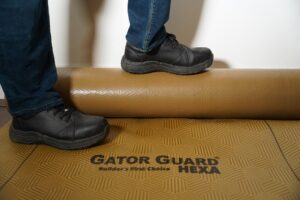
As the name suggests, temporary floor protection refers to removable materials placed over existing floors to prevent damage during short-term activities. These materials act as a barrier against spills, dust, impact, tools, furniture movement, and heavy foot traffic. Once the activity is complete, you can remove these floor protectors with ease.
While it may seem unnecessary, buyers often underestimate the need for floor protection until damage occurs. In reality, even a single renovation project or event can permanently mark an unprotected surface. Hence, these temporary floor coverings become an even more important investment that can save you from an expensive floor repair.
What Types of Floors Need Temporary Protection?
Floors are expensive. Especially the ones that are custom-designed or installed in homes, malls, hospitals, business spaces, and more. Some materials used to make floors cost a fortune, and hence, protecting them with these temporary gears is a wise choice to make. Some common floors that require temporary protection during renovations or high foot falls include the following:
- Hardwood and engineered wood
- Marble, granite, and natural stone
- Carpeted surfaces
- Ceramic and porcelain tiles
- Vinyl, laminate, and epoxy floors
When Should Temporary Floor Covering Be Used?
This is an important question most buyers have. When are temporary floor coverings required? Well, temporary floor covers are needed during:
- Construction and remodeling work
- Moving furniture or equipment
- Home or office renovations
- Wedding
- Corporate events or parties
- Exhibitions
- Retail setups and store launches
How Does Temporary Floor Protection Prevent Damage and Costs?
Temporary floor protection is not very expensive, but the materials and efforts used to make floors are. Using the right floor protection reduces direct and indirect expenses. These coverings protect the floor from spills, dust, stains, and scratches. Repairing damaged floors is often far more expensive than installing a temporary floor covering.
What Problems Does Floor Protection Solve?
Floor protection coverings are versatile and offer solutions for several floor problems, like:
- Scratches from tools and footwear
- Stains from paint, chemicals, and spills
- Cracks caused by dropped objects
- Wear and tear in high-traffic areas
How Does It Reduce Repair and Replacement Expenses?
By absorbing impact and preventing surface contact, temporary floor protection solutions significantly extend the life of existing floors. Think of these temporary floor protectors as a smart investment rather than an added cost.
What Are the Different Types of Temporary Floor Protection Solutions?
Not all protection materials serve the same purpose. Buyers should choose based on floor type, duration, and traffic levels.
Common Types of Temporary Floor Protection
| Type | Best For | Key Benefits |
| Roll-based coverings | Renovations, spaces with light traffic | Easy installation, cost-effective |
| Protection mats | High-traffic areas | Slip-resistant, reusable |
| Boards and sheets | Construction zones | Heavy-duty impact protection |
| Interlocking tiles | Events, outdoor use | Stable, professional appearance |
Which Temporary Floor Protection Is Best for Renovations?
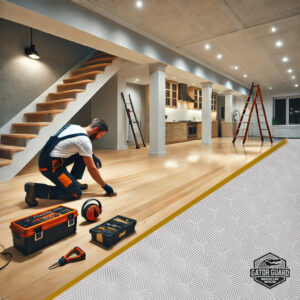
Renovation projects involve dust, tools, ladders, and frequent movement, making temporary floor protection non-negotiable.
What Works Best for Home Renovations?
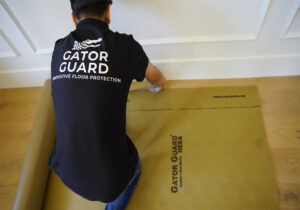
- Breathable roll-based temporary floor covering
- Non-slip mats for walkways
- Lightweight boards for sensitive surfaces
What Is Suitable for Construction and Remodeling Sites?
- Heavy-duty boards and sheets
- Thick mats designed for impact resistance
- Durable floor protection that withstands machinery
What Is the Best Temporary Flooring for Events and Outdoor Use?
Events introduce unpredictable foot traffic, furniture movement, and weather exposure. For these scenarios, temporary outdoor flooring plays a critical role.
Temporary Outdoor Flooring Options
| Option | Ideal Use | Advantages |
| Interlocking floor tiles | Outdoor events | Weather-resistant, stable |
| Rubber mats | Entryways | Slip resistance |
| Modular panels | Exhibitions | Clean, professional finish |
How Do You Choose Floor Protection for High-Traffic Areas?
High footfall demands stronger materials. Choosing inadequate floor protection can result in visible wear within days.
Key Factors for High-Traffic Areas
- Thickness and durability
- Anti-slip properties
- Ease of cleaning
- Compatibility with existing floors
Best Floor Protection for Commercial Spaces
Retail stores, hospitals, offices, and malls benefit most from reusable mats and heavy-duty temporary floor protection solutions designed for constant movement.
What Should Buyers Look for When Choosing Temporary Floor Protection?
The first thing buyers need to understand when choosing temporary floor protection is that this is an investment. Buying floor protection can save them a lot of money. Hence, there should be no compromise when picking the right quality. Some other considerations a buyer of temporary floor protection must take into account include:
- Easy installation and removal
- Residue-free adhesion
- Reusable vs disposable options
- Compliance with safety standards
NOTE: Reliable temporary floor protection should protect without damaging the original surface underneath.
How Much Does Temporary Floor Protection Cost?
The cost of a temporary floor covering varies based on material, coverage area, and duration of use. Temporary floor protection solutions are far more affordable than post-damage repairs.
| Factor | Impact on Price |
| Material type | Higher durability = higher cost |
| Thickness | Thicker materials may cost more |
| Reusability | Higher upfront, lower long-term cost |
| Area covered | Larger areas may increase the total cost |
Common Mistakes Buyers Make When Using Floor Protection
Even with the right intent, mistakes can reduce effectiveness.
- Choosing protection not suitable for the floor type
- Ignoring edges and corners
- Removing protection too early
- Using low-quality materials in high-traffic zones
Where Can You Buy Reliable Temporary Floor Protection Solutions?
When buying floor protection coverings, always purchase from suppliers with proven expertise and quality standards. Do not go for cheap products as they may not prevent floor damage. When choosing your temporary floor protection supplier, look for:
- Product certifications
- Clear usage guidelines
- Customer reviews and case studies
- Support for different applications
Takeaway
From renovations to large-scale events, temporary floor protection is no longer optional; it is essential. Temporary floor protections are investments that can prevent damage to floors and save you from repair and replacement costs. By understanding your floor type, traffic level, and duration of use, you can confidently select temporary floor protection solutions that deliver value and reliability.
At Gator Guard, we don’t compromise on quality. We offer reliable temporary floor protection solutions designed to safeguard every type of flooring. We treat your floors as our own, which is why each product we provide is carefully selected for durability, safety, and performance. By using our trusted temporary floor protection, you can prevent damage, reduce repair and replacement costs, and protect your investment with solutions relied on by many professionals and homeowners alike.
Frequently Asked Questions
- How to protect a floor during renovation?
To protect a floor during renovation, use high-quality temporary floor protection such as protective rolls, mats, or boards that shield surfaces from dust, spills, and impact damage. At Gator Guard, we offer reliable temporary floor protection solutions that keep your floors safe throughout the renovation process.
- Can temporary floor protection be reused?
Yes, many temporary floor protections, like mats and boards, are designed for multiple uses.
- How long can temporary floor protection stay in place?
How long temporary floor protection can stay depends on the product. Most temporary floor protection coverings are safe for short- to medium-term use.