Construction projects involve multiple teams working together, moving heavy equipment, and navigating debris-filled job sites. Every scratch on the floor and every cracked tile is the builder’s responsibility. Even minor negligence can lead to costly repairs or frustrated clients. That’s why construction floor protection should never be an afterthought.
So, if you’re a builder, contractor, or project manager, this blog is for you. It covers what you should know when choosing the right floor protection during construction, and why professional solutions make a real difference on job sites.
Read on!
Why Floor Protection Is a Builder’s Responsibility
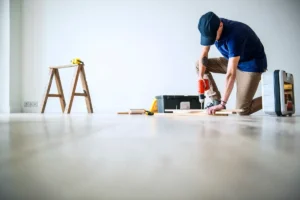
Modern construction projects involve multiple trades working simultaneously. Electricians, plumbers, painters, HVAC teams, and inspectors all move across the same surfaces, often while carrying tools or equipment. Without proper floor protection, floors are exposed to:
- Heavy foot traffic
- Dropped tools and sharp debris
- Rolling carts and ladders
- Paint, adhesive, and chemical spills
- Moisture and dust buildup
Overlooking floor protection is a costly mistake that can eat into your profits and strain client relationships. Investing in the right construction floor covering isn’t just about protecting floors; it’s about protecting your reputation, too.
Types of Floors on a Job Site
Every flooring type is different and requires a suitable construction floor covering. Flooring evaluation is crucial before selecting protection products.
- Hardwood and Engineered Wood: Vulnerable to scratches, dents, and moisture. Requires breathable protection that won’t trap humidity.
- Tile and Stone: Durable but brittle; tools or ladders can cause cracks or chips.
- Vinyl and Laminate: These are sensitive to dents and chemical stains.
- Concrete and Epoxy Floors: These are easily stained or scuffed during construction phases.
All floors are susceptible to damage and require flooring protection, which is discussed further.
The Importance of Heavy-Duty Protection on Active Job Sites
Opting for DIY flooring seems like a good idea, like laying lightweight plastic sheets or cardboard on the floor, but they can’t protect the floor from real job-site conditions. They shift, tear, and expose the floor beneath, posing a tripping hazard.
That’s why every construction floor needs heavy-duty floor protection that is designed to:
- Absorb impact from dropped tools
- Support rolling equipment and carts
- Stay firmly in place without constant re-taping
- Reduce trip hazards
For long-term projects, investing in durable materials is recommended over disposable ones.
Key Features Builders Should Look For
If you’re unsure how to choose the right floor protection, look for the following features:
1. Stability and Grip
A good floor protection stays put. Coverings that slip or shift increase the risk of accidents and reduce effectiveness.
2. Moisture and Spill Resistance
There are many products on a construction site, some of which can permanently damage the floor if spilled. Thus, you need a high-quality construction floor covering that is moisture-resistant and acts as a barrier against water, paint, and chemicals while protecting the surface below.
3. Easy Installation and Removal
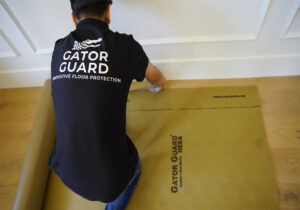
Choose coverings that are easy to install and remove, leaving no residue, as every minute counts on a construction project.
4. Reusability
Invest in heavy-duty floor covering instead of disposable alternatives for cost-effectiveness.
Floor Protection During Different Construction Phases
As construction progresses, the needs change, and a builder should know this. Here is what each construction phase demands:
Pre-Construction and Demolition: This phase requires heavy-duty covering that can protect the floor from debris and heavy impacts.
Framing and Rough-In Stage: Focus on protecting subfloors and concrete from stains and heavy equipment.
Finishing Stage: This is when floors are most vulnerable. Finished surfaces require floor protection that prevents scratches and cosmetic damage.
Final Touch-Ups and Inspections: Floors should remain protected until all trades are completed and cleanup is complete.
Only remove coverings when construction is finished. Removing them early can lead to expensive damage.
Safety and Compliance
Site safety is every builder’s responsibility, and floor protection contributes indirectly to it. High-quality boards and coverings reduce slip-and-fall risks, keep walkways clear, and help maintain organized work areas. It protects workers while ensuring compliance with job-site safety standards.
Cost of Floor Damage vs. Cost of Protection
One might argue that the cost of protection exceeds the benefits, but this is untrue: repairing damaged flooring can cost thousands of dollars. It far exceeds the cost of professional-grade protection. Builders who rely on low-quality materials often pay twice: once for cheap coverings and again for repairs.
Contractors and builders can reduce callbacks, delays, and unexpected expenses by investing in high-quality construction floor protection.
Why Choose Gator Guard for Floor Protection?
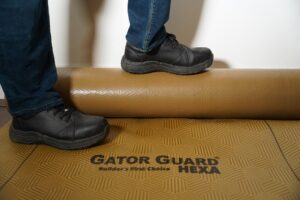
When it comes to dependable, job-site-tested solutions, Gator Guard delivers protection built for real construction environments. Our products are designed with builders’ needs in mind, and our years of experience have helped us understand what every site needs. We offer durability, safety, and efficiency from start to finish.
Conclusion
Whether you are working on a short- or long-term project, residential or commercial, do not underestimate the importance of floor protection. Invest in durable solutions with Gator Guard’s professional-grade floor protection and choose smarter, stronger floor protection.
Choose Gator Guard and keep the floors as good as new.
Frequently Asked Questions (FAQs)
1. When should floor protection be installed on a construction site?
Floor protection should be installed as soon as flooring is laid or when surfaces are at risk from foot traffic, tools, or equipment. It should remain in place until all trades have finished and final cleaning is complete.
2. Is floor protection really the builder’s responsibility?
Yes. Builders are responsible for delivering the project in finished condition. Any damage to floors during construction can lead to repair costs, delays, and unhappy clients, making floor protection a key part of job-site management.
3. What type of floor protection works best for active construction sites?
Active job sites require heavy-duty floor protection that can handle impact from tools, rolling equipment, and constant foot traffic while staying securely in place without frequent re-taping.
4. Can cardboard or plastic sheets be used for construction floor protection?
Cardboard and plastic sheets may work temporarily, but they often shift, tear, and allow moisture or debris through. Professional-grade floor protection offers better durability, safety, and long-term performance on construction sites.
5. How does floor protection improve job-site safety?
Quality floor protection helps reduce slip and trip hazards by staying flat and stable. It also keeps walkways organized and prevents loose debris from damaging finished surfaces.
6. Should different construction phases use different types of floor protection?
Yes. Early construction phases require impact-resistant protection, while finishing stages need non-marking coverings that prevent scratches and surface damage. Using the right protection at each phase reduces costly mistakes.
7. Is reusable floor protection more cost-effective for builders?
Yes. Reusable floor protection systems cost more upfront but save money over time by reducing replacement costs and preventing expensive floor repairs.
8. How do builders choose the right floor protection for their projects?
Builders should consider floor type, traffic level, project duration, and safety needs. Consulting professionals like Gator Guard helps ensure the right solution is chosen for each project.